

Car insurance is a crucial safeguard for drivers, providing financial protection in the event of accidents or other unforeseen circumstances. Unfortunately, the world of insurance isn't immune to fraudulent activity. Car insurance fraud, a pervasive issue, not only drives up premiums for everyone but also puts individuals at risk of financial and legal repercussions. Understanding how Car insurance fraud operates and implementing effective Car insurance fraud prevention strategies are vital for every driver. This blog post will delve into the various types of Car insurance fraud, offer practical tips to avoid becoming a victim, and explain how to prevent insurance fraud in your daily interactions.
Car insurance fraud takes many forms, from staged accidents to exaggerated claims. Some common examples include:
Perpetrators deliberately cause accidents to file fraudulent claims. These can range from minor fender-benders to more serious collisions.
Individuals inflate the cost of damages or injuries sustained in a genuine accident to receive a larger payout.
Filing claims for accidents that never occurred or for damages that don't exist.
Providing inaccurate information on insurance applications, such as misrepresenting driving history or vehicle details, to secure lower premiums.
Failing to pay premiums while continuing to drive and claiming to be insured.
The consequences of Car insurance fraud are far-reaching. It affects not only insurance companies but also policyholders.
Fraudulent claims drive up the cost of insurance for everyone. Insurance companies pass these costs on to consumers in the form of higher premiums.
Individuals caught engaging in Car insurance fraud can face serious legal consequences, including fines, imprisonment, and a criminal record.
Being associated with insurance fraud can tarnish your reputation and make it difficult to obtain insurance in the future.
Victims of staged accidents can suffer physical injuries, property damage, and financial losses.
Protecting yourself from Car insurance fraud requires vigilance and awareness. Here are some essential tips to avoid fraudulent Car insurance claims:
Be cautious in situations that seem unusual or staged. For instance, if an accident occurs with no apparent cause, or if the other driver seems overly eager to settle quickly, it could be a red flag.
In the event of an accident, gather as much information as possible. Take photos and videos of the scene, exchange contact information with all parties involved, and note any details about the accident. This documentation can be invaluable in preventing fraudulent claims.
Contact your insurance company as soon as possible after an accident. Provide them with all the details you have gathered. Prompt reporting can help prevent others from exaggerating their claims later.
Be wary of individuals who approach you after an accident, offering legal or medical services. These "runners" may be involved in staged accidents or fraudulent schemes.
Always verify the information provided by other drivers involved in an accident. Check their driver's license, insurance details, and vehicle registration.
Never sign blank insurance forms or agree to anything you don't fully understand. Read all documents carefully before signing.
Be cautious of insurance offers that seem too good to be true. Fraudulent insurers may offer extremely low premiums to lure unsuspecting customers.
Be careful about sharing your personal information, such as your social security number or bank account details, with anyone you don't trust. Fraudsters may use this information to commit identity theft or other types of fraud.
If you suspect someone of committing Car insurance fraud, report it to your insurance company or the appropriate authorities. Your report could help prevent others from becoming victims.
Select Car insurance providers with a strong reputation and a history of ethical practices. Research different companies and compare their policies and premiums before making a decision. This is a crucial step in Car insurance fraud prevention.
Familiarize yourself with the details of your Car insurance policy, including what is covered and what is not. This knowledge can help you identify any discrepancies or fraudulent claims.
12.Install a dashcam
A dashcam can provide valuable evidence in the event of an accident. It can record the events leading up to the accident, helping to determine fault and prevent fraudulent claims. This is a great tool for how to prevent insurance fraud targeting you.
Beyond individual precautions, you can also contribute to preventing insurance fraud in your daily interactions.
Share information about Car insurance fraud with your friends, family, and colleagues. Raising awareness can help prevent others from becoming victims.
Practice safe driving habits and avoid any actions that could lead to accidents. By being a responsible driver, you can reduce the likelihood of being involved in a staged accident.
Support organizations and initiatives that are working to combat Car insurance fraud. By working together, we can create a safer and more secure insurance environment.
Car insurance fraud is a serious issue that affects everyone. Remember, vigilance and awareness are key to avoiding Car insurance fraud and ensuring your peace of mind on the road. Don't leave yourself vulnerable – get your Car insurance sorted today. For reliable coverage and peace of mind, get your Car insurance from INSURE24 today.
1.What is Car insurance fraud?
Car insurance fraud involves any deceptive act intended to gain an unfair or unlawful benefit related to a Car insurance policy. This can include staged accidents, exaggerated claims, providing false information, and more.
2.How does Car insurance fraud affect me?
Even if you're not directly involved in fraud, it can still impact you. Fraudulent claims drive up insurance premiums for everyone, meaning you'll likely pay more for your Car insurance.
3.What should I do if I suspect Car insurance fraud?
If you witness or suspect any fraudulent activity, report it to your insurance company or the appropriate authorities, such as the police or a dedicated fraud hotline. Providing details like the time, location, and individuals involved can be helpful.
4.Is it illegal to exaggerate a Car insurance claim?
Yes, exaggerating a Car insurance claim is illegal and can have serious consequences. It's considered a form of fraud and can result in fines, imprisonment, and a criminal record.
5.How can a dashcam help prevent Car insurance fraud?
A dashcam records the events happening in front of your Car. This footage can be invaluable in proving what actually occurred in an accident, helping to disprove fraudulent claims and protect you from liability in staged accidents.

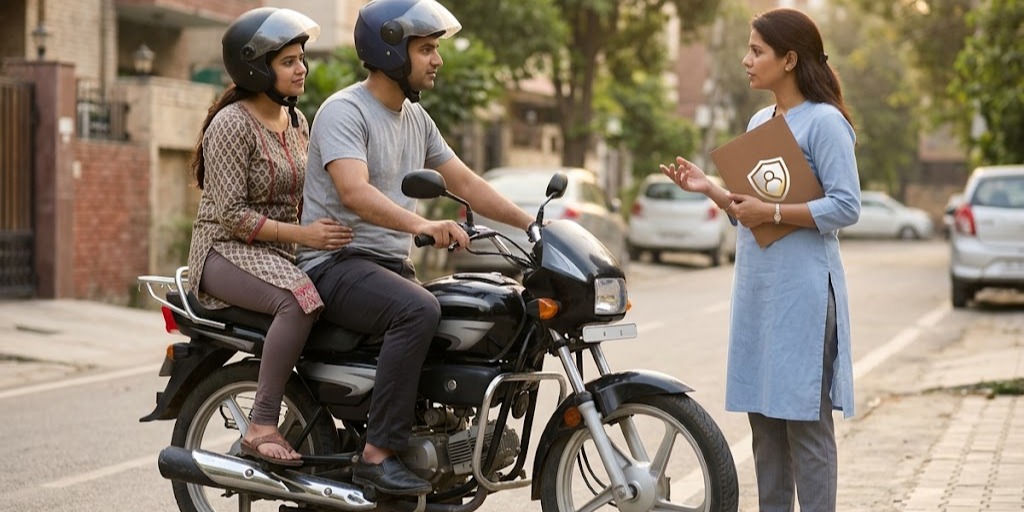

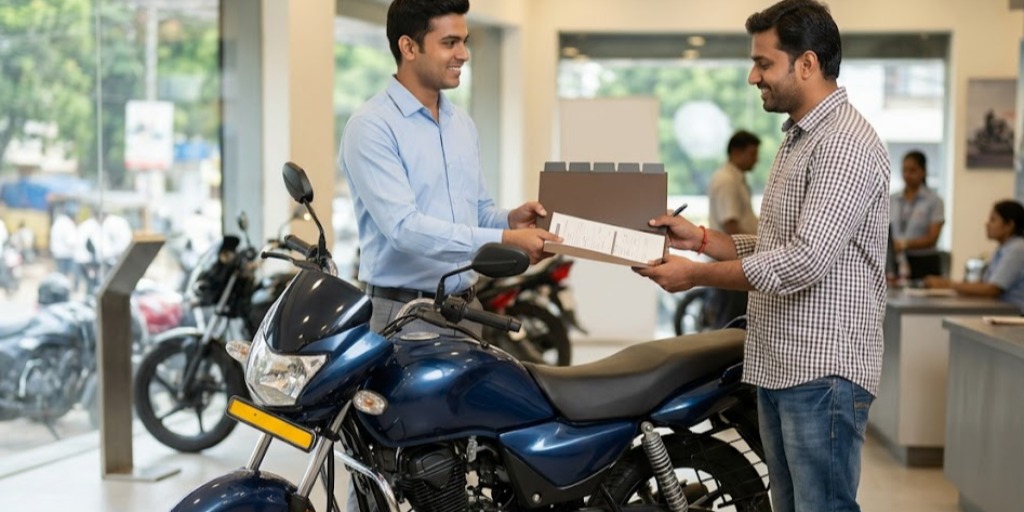
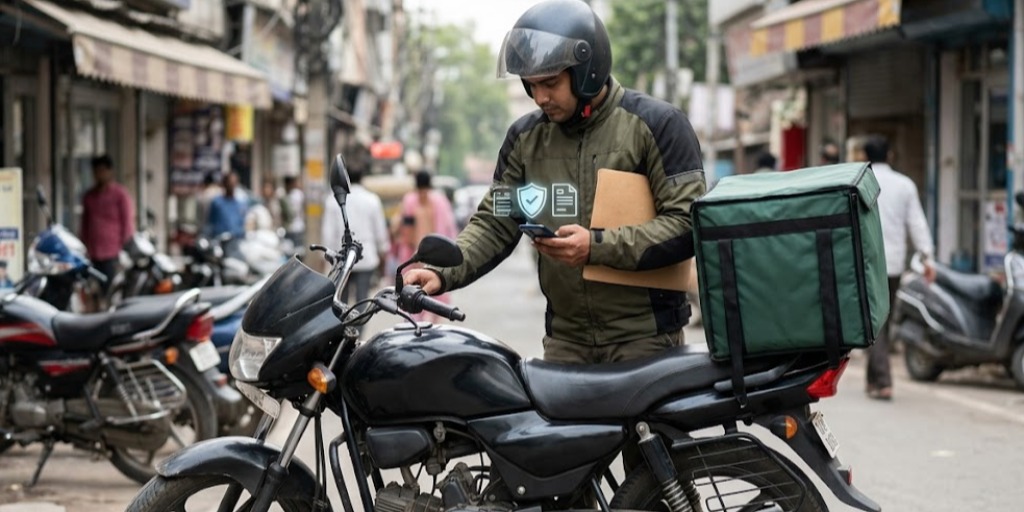



Two riders with what looks like the same bike can end up with noticeably different insurance quotes, and it is rarely a mistake on either side. Bike insurance premium calculation follows a defined set of rules, but those rules respond to more individual factors than most riders realise, from your city to your claim history to how you set your bike's declared value. This guide breaks down the factors affecting two wheeler insurance premium one by one, covering every major bike insurance cost factor, so a quote stops feeling arbitrary and starts feeling explainable.
Every comprehensive bike insurance premium is built from two separate pieces added together, and understanding this split is the foundation of any accurate bike insurance premium calculation. The first is third party premium, a flat rate fixed by IRDAI based purely on your bike's engine capacity, identical no matter which insurer you buy from. The second is own damage premium, which is where most of the variation between riders, and between insurers, actually shows up.
Own damage premium responds to your bike's Insured Declared Value, its age, your registration city, your claim history and accumulated No Claim Bonus, and any add-ons you choose to include. Two wheeler insurance premium in India can differ meaningfully between two riders with the same bike model simply because one lives in a higher theft city, has a longer claim-free streak, or has chosen a different set of add-ons.
Engine capacity is the single factor that determines your fixed third party premium, and IRDAI groups two-wheelers into bands rather than pricing each cc individually. A 100cc commuter and a 145cc commuter typically land in the same third party band, while a 350cc or larger motorcycle moves into a meaningfully higher bracket. This portion of your premium cannot be reduced through negotiation or by switching insurers, since it is a fixed regulatory rate.
Engine capacity also has an indirect effect on own damage premium, since larger, more powerful bikes tend to have higher ex-showroom prices, which pushes up their Insured Declared Value and, with it, the own damage portion of your total premium. A bigger engine rarely changes your premium through cc alone beyond the fixed third party band, but it very often changes your premium through the higher IDV that tends to come attached to it.
Insured Declared Value is the maximum amount your insurer pays if your bike is stolen or damaged beyond repair, and it directly drives your own damage premium. A higher IDV means a higher potential payout for the insurer, which translates into a higher premium. A lower IDV reduces your premium but also caps what you can actually claim.
This creates a genuine temptation to under-declare IDV to save a modest amount on premium, which is one of the more common and costly mistakes riders make. If your bike is later stolen or totalled, you are locked into whatever IDV you agreed to at the start of the policy period, so an artificially low figure directly reduces your payout exactly when you need it most. Setting IDV close to your bike's genuine current market value, rather than the lowest figure your insurer will accept, is almost always the better long-term choice.
Your bike's age drives IDV down through a standard depreciation schedule, which in turn reduces own damage premium year after year, even before any No Claim Bonus is factored in. A five-year-old bike will generally carry a noticeably lower own damage premium than the same model when it was new, simply because its IDV has depreciated substantially over that period.
Registration city affects premium independently of age or engine size, since insurers price in local accident frequency and theft rates. Riders in dense metro areas with higher traffic volumes and higher reported theft generally see higher own damage premiums than riders with an identical bike registered in a smaller town with lighter traffic and a lower theft profile.
The table below reflects the general structure of IRDAI's notified third party rates for two-wheelers, current as of recent notifications. Since IRDAI reviews these periodically, confirm the exact current figures before relying on them for a purchase decision.
| Engine Capacity | Approximate Annual Third Party Premium |
|---|---|
| Up to 75cc | Rs 538 |
| 75cc to 150cc | Rs 714 |
| 150cc to 350cc | Rs 1,366 |
| Above 350cc | Rs 2,804 |
Since this portion of your premium is identical across every insurer, it is not worth spending time comparing on this component specifically. Where genuine comparison shopping pays off is entirely on the own damage side.
Own damage premium is generally calculated as a percentage of your bike's IDV, adjusted by insurer-specific rate factors tied to your bike model, city, and risk profile, then reduced by any No Claim Bonus you have accumulated. Different insurers apply somewhat different base rates to the same IDV, which is exactly why two comprehensive quotes for the same bike can differ even when the IDV figure itself is identical across both.
Add-ons are calculated separately and added on top of this base own damage premium, each priced according to the specific risk it covers. Zero depreciation cover, for instance, is priced higher than a smaller add-on like roadside assistance, since it increases the insurer's potential payout on every claim rather than covering a narrower, less frequent risk.
To make this concrete, here is an illustrative first-year premium range across different engine capacity bands, using typical IDV assumptions for popular models in each band. These are indicative figures meant to show the general pattern, not exact live quotes, since actual premium depends on your specific bike, city, and add-ons.
| Engine Band | Example Bike Type | Indicative Total Comprehensive Premium (Year 1) |
|---|---|---|
| Up to 75cc | Basic scooter or moped | Rs 2,200 to 2,800 |
| 75cc to 125cc | Standard commuter bike or scooter | Rs 2,700 to 3,400 |
| 125cc to 150cc | Sporty commuter or entry naked bike | Rs 3,200 to 4,200 |
| 150cc to 350cc | Mid-size cruiser or tourer | Rs 5,500 to 7,500 |
| Above 350cc | Premium or high-capacity motorcycle | Rs 9,000 and above |
Notice how the jump between bands is driven far more by IDV than by the modest step-up in fixed third party premium, reinforcing that own damage cost is where the real variation in your total bill comes from.
No Claim Bonus is one of the most significant levers you have over your own premium, applying only to the own damage portion and rising with each consecutive claim-free year. The standard progression runs from 20 per cent after one claim-free year to a maximum of 50 per cent after five consecutive years without a claim.
This is why riders wondering why is my bike insurance premium so high across renewal years sometimes overlook the simplest explanation: a single claim, even a small one, resets this discount entirely back to zero at the next renewal. Weighing whether a minor repair costs less than the NCB you would lose by claiming for it is worth doing every time, rather than filing every small claim reflexively.
Add-ons increase your premium incrementally, and understanding roughly how much each one adds helps you choose deliberately rather than accepting a bundled package by default. Zero depreciation cover tends to be the costliest individual add-on, since it removes depreciation deductions on every claim. Engine protection, useful for riders in flood-prone cities, typically adds a moderate amount. Roadside assistance and NCB protection are usually the least expensive additions available.
Rather than accepting a pre-selected bundle, most insurers let you toggle add-ons individually, which is worth doing so you can see exactly how much each one costs relative to the protection it offers for how you actually ride.
City-based pricing often surprises riders more than any other factor on this list, since it feels less within your control than choices like IDV or add-ons. Insurers build their own damage rate factors partly from claims data specific to each city, tracking how often bikes registered there are stolen, how frequently accidents get reported, and how expensive repairs tend to run locally due to labour and parts costs.
This is why identical bikes with identical IDV can carry a genuinely different own damage premium purely based on the RTO code on the registration. If you are relocating and re-registering your bike, or simply curious why your renewal quote looks different from a friend's in another city, this city-level risk pricing is very often the answer, separate from anything about your personal riding history.
A handful of practical choices can meaningfully lower your total premium without cutting essential coverage. Protecting your No Claim Bonus by avoiding claims for very minor damage is the single most effective lever available to most riders over time. Choosing a voluntary deductible, an amount you agree to pay out of pocket before your insurer contributes to a claim, reduces own damage premium in exchange for accepting more risk yourself.
Comparing quotes across two or three insurers before renewing matters more than people expect, since own damage rate factors genuinely differ between companies even for an identical bike and IDV. Fitting an approved anti-theft device can also unlock a modest discount from several insurers, and setting an accurate rather than inflated IDV keeps your premium proportionate to your bike's real value instead of paying for coverage you do not actually need.
Q. How is bike insurance premium calculated in India exactly?
It combines a fixed third party rate set by IRDAI based on engine capacity with a variable own damage premium based on your bike's IDV, age, city, claim history, and chosen add-ons.
Q. Why is my bike insurance premium so high compared to last year?
Common reasons include a claim that reset your No Claim Bonus, a change in your bike's IDV, an insurer-wide rate revision, or newly added covers that were not part of your previous policy.
Q. What does bike insurance premium by engine cc 2026 look like for a 150cc bike?
Third party premium for a 150cc bike falls in the mid engine band, while total comprehensive premium including own damage typically runs into the low thousands of rupees annually, depending on IDV and add-ons.
Q. Does a higher IDV always mean better value?
Not necessarily. A higher IDV increases your maximum payout but also raises your premium, so the ideal figure closely reflects your bike's actual current market value rather than being pushed artificially high.
Q. Can I reduce my bike insurance premium without dropping coverage?
Yes, primarily by protecting your NCB, comparing quotes across insurers, considering a voluntary deductible, and fitting an approved anti-theft device where a discount is available.
Q. Do all insurers charge the same third party premium for the same bike?
Yes. The third party premium is fixed by IRDAI based on engine capacity and is identical across every insurer, so comparison shopping only affects the own damage portion of your premium.
Q. How much does No Claim Bonus actually save on renewal?
It can reduce your own damage premium by up to 50 per cent after five consecutive claim-free years, making it one of the largest single savings levers available to any rider.
Q. Does my bike's age reduce my premium automatically?
Yes, since IDV depreciates on a standard schedule as your bike ages, which reduces own damage premium correspondingly, separate from any NCB discount you may have also earned.
Q. Why do two riders with the same bike model pay different premiums?
Differences usually come from IDV, registration city, claim history, NCB status, and the specific add-ons each rider has chosen, rather than the bike model itself.
Q. Is it worth adding zero depreciation cover to a bike insurance premium calculation?
For newer or higher-value bikes, it is generally worth the added cost, since it meaningfully improves your payout on replaced parts during a claim, which matters most while your bike is newest and most expensive to repair.