



Imagine this. Your scooter gets dented in a parking lot, a hospital hands you a bill that wipes out three months of savings, a pipe bursts and ruins your living room, and your flight gets cancelled the night before a holiday you saved a year for. Four very different disasters, four very different financial repercussions, and one thing in common. There is a product designed to absorb each of those blows so your bank balance does not have to. That product is what people call general insurance, and most Indians own a piece of it without ever stopping to understand how the whole thing works.
General Insurance is the umbrella that sits over your bike, your health, your home, and your trips abroad. Understanding what general insurance India runs on is less about memorising definitions and more about knowing which of your daily risks already has a safety net under it, and which ones are quietly uncovered. In this article, we uncover everything you need to know about general insurance in India, including its types, coverage, and exactly how it works.
What is General Insurance and How it Differs from Life Insurance?
The simplest way to understand the difference between general insurance and life insurance is to understand what each product protects. While life insurance pays out when something happens to you, general insurance pays out when something happens to your stuff, your health, or your liabilities. One protects your dependents after you are gone, and the other protects your wallet while you are very much alive and dealing with financial strains.
Life insurance is usually a long-term contract that can run for decades, often blending protection with savings. General insurance, on the other hand, is typically a one-year contract covering a defined risk for a defined period, with a singular intent of financial protection intent, with no savings involved. When the year ends, so does the cover, unless you renew it.
| Life insurance | General insurance | |
|---|---|---|
| What it protects | Your life and dependants | Health, vehicles, home, travel, liability |
| Typical term | Long-term, often decades | One year, renewable |
| Payout trigger | Death or maturity | A covered loss or event |
| Savings element | Often present | None, pure protection |
| Example | Term plan, endowment | Bike, health, home, travel cover |
For those wondering about the difference between life insurance and general insurance india recognises, the short answer is simple. Life cover is about people. General cover is about everything else you can lose money over.
The general vs life insurance India debate is not about which is better, since most households need both. It is about knowing which one does which job. A term plan looks after your family if you are not there to provide. General insurance, like health or motor cover, looks after you and your assets while you are there. Owning one does not replace the other, and the general vs life insurance India question usually ends with the realisation that a complete financial plan has room for each.
Types of General Insurance in India
The reason general insurance feels confusing is that it is not one product but a whole family of offerings. Each member of the family guards a different corner of your life. Once you learn the main types of general insurance, the rest of the market stops looking like a confusing soup of policies and starts looking like a toolkit. Here are the four most popular types of general insurance you are most likely to encounter when planning your finances:
Motor Insurance
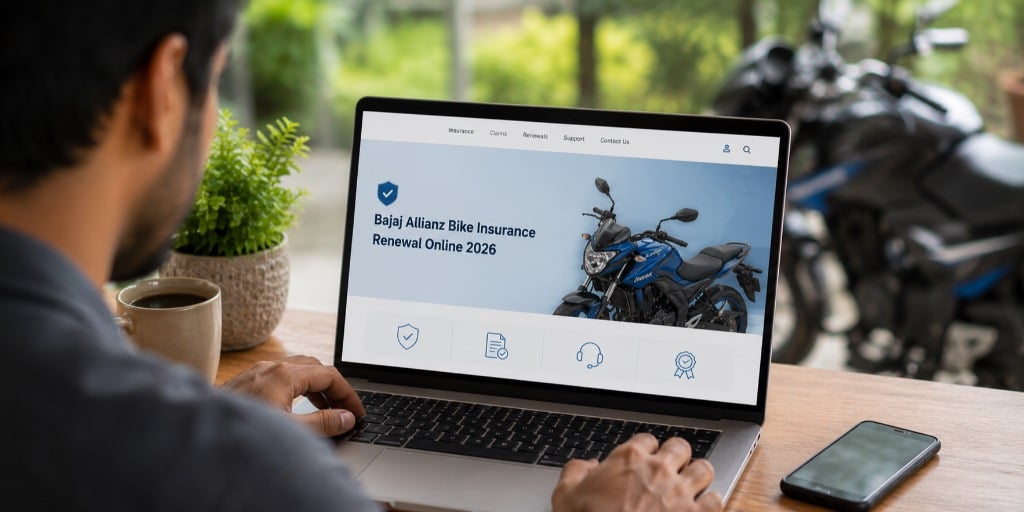
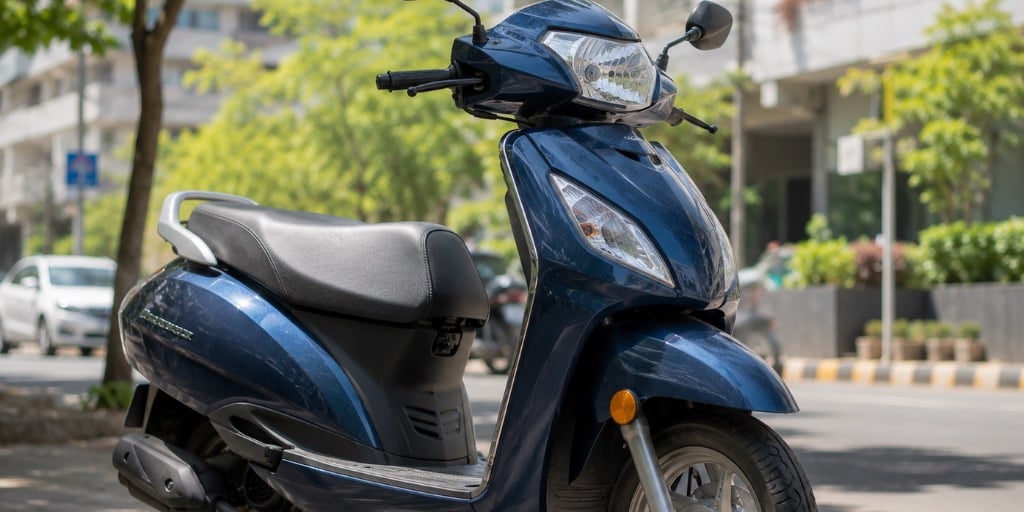
If you own a car or a bike, chances are you have already dealt with this one. Motor insurance covers damage to your vehicle and the legal liability you carry if you injure someone or damage their property on the road. Third-party motor cover is mandatory under the Motor Vehicles Act, which is why it is the single most important type of general insurance India has on offer. Comprehensive motor insurance plans go a step further, covering your own vehicle against accidents, theft, fire, floods and other financial losses.
Health Insurance
Hospital bills in India have a habit of growing faster than incomes, and health insurance is the answer. It is a product that pays your medical costs for hospitalisation, surgery, and treatment, either cashless at a network hospital or as a reimbursement. It is the fastest-growing part of the market, and for good reason. A single serious illness without coverage can undo years of careful saving in a week.
Home Insurance
Your home is probably the most expensive thing you will ever own, yet it is among the least insured. Home insurance protects the building and its contents against fire, theft, natural disasters, and accidents like burst pipes or electrical damage. Premiums are surprisingly low relative to the value protected, which is exactly why a majority of people regret buying it after a flood or a break-in. Many policies even let you cover just the contents if you live on rent, making home insurance a go-to product for everyone.
Travel Insurance
Travel insurance is the quiet hero of any trip that goes wrong. It is a comprehensive product that covers medical emergencies abroad, trip cancellations, lost baggage, and missed connections. For international travel, it is often the difference between a stressful hiccup and a financial catastrophe, since a hospital stay overseas can cost more than the holiday itself.
Beyond these four, the general insurance family also includes commercial cover for businesses, personal accident plans, pet insurance, and even niche products like wedding and cyber insurance. The point is that almost any risk you can put a price on, someone has built a policy for.
IRDAI's Role in Regulating General Insurance
The playground of general insurance cannot work without a referee, and in India, that referee is the Insurance Regulatory and Development Authority of India. Created under the IRDA Act of 1999 and operating under the Ministry of Finance, it is the apex body that keeps the entire insurance market honest.
The organisation does a lot of heavy lifting behind the scenes to ensure the market is fair and honest. It registers and licenses every insurer, so that a company cannot sell you a policy unless it has passed the regulator's checks.
It also sets the rules insurers must follow, protects policyholders when things go wrong, and publishes claim settlement data so you can judge a company by its track record rather than its advertising. It even fixes the third-party motor premium rates that every insurer must charge identically.
How to Choose a General Insurance Company
Picking an insurer is where good intentions often turn into a rushed decision. But a few honest checks save you a lot of regret later. Here are a few factors that can help you shortlist general insurance companies in India:
- Claim settlement ratio: The share of claims the insurer actually pays. A figure above 90 percent signals a reliable payer.
- Network strength: For health insurance, the number of cashless hospitals nearby, and for motor, the spread of cashless garages.
- Coverage and exclusions: Read what is not covered as carefully as what is, since most disputes start with a surprise exclusion.
- Premium for the same cover: Compare like with like, identical sum insured and add-ons, or the comparison means nothing.
- Service reputation: Reviews about claim speed matter as much as the headline ratio.
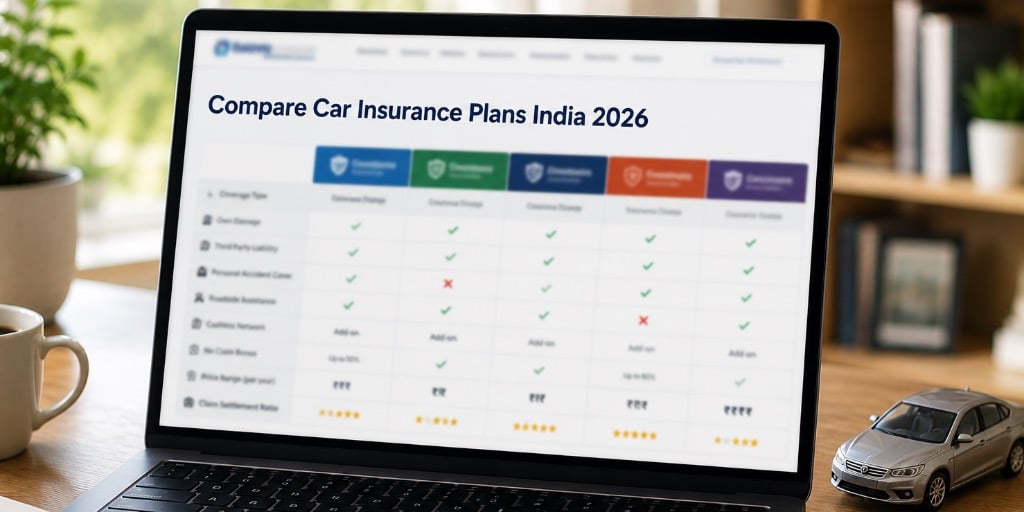
A useful habit is to shortlist two or three insurers and place their numbers side by side before you decide. The cheapest plan is rarely the best, and the priciest is not automatically the safest. The right general insurance company is the one that pays fairly, pays fast, and has a network near you.
Claim Settlement Ratio Across General Insurance Categories
The claim settlement ratio is the number that tells you whether a policy is a promise or just a pitch. It is the proportion of claims an insurer pays out of those filed, and it varies meaningfully by category.
Motor and health claims tend to be frequent and relatively standardised, so settlement ratios in these lines are often high among the leading insurers, frequently sitting in the high 90s. Health claims, on the other hand, can be more complex because of pre-existing condition clauses and waiting periods, which is why reading the fine print matters most here. Travel and home claims are less frequent but can be larger and more document-heavy, so the speed and fairness of settlement count for a lot.
While a claim settlement ratio of above 90 percent is reliable, the closer the number sits to 98 percent, the better it gets. But treat the number as a starting point, not the finish line, because it tells you whether claims get paid, not how quickly. Pair it with reviews about turnaround time before you trust your money to any insurer in the general insurance India market.
General Insurance Premium and Tax Deductions
Here is a part many people miss. Some general insurance premiums do not just protect you; they can also trim your tax bill. The clearest example here is health insurance.
Under Section 80D of the Income Tax Act, you can claim a deduction on health insurance premiums of up to 25,000 rupees for yourself and your family, and up to 50,000 rupees when the cover is for senior citizen parents. There is an important catch worth knowing. This deduction is available only under the old tax regime. If you have opted for the newer default regime with lower slab rates, you cannot claim it, so the choice of regime affects whether this benefit applies to you.
Other general insurance premiums, such as motor, home, and travel, do not usually carry a personal income tax deduction, though business-related cover can be a deductible expense for a company. The premium itself is set by a mix of factors: the risk being covered, the sum insured, your profile, and any add-ons you choose. As a rule, the more you ask the insurer to cover, the more you pay, which is why matching the cover to your actual risk, rather than over-insuring or under-insuring, is the smart middle path in the general insurance India system.
Navigating General Insurance in India
General insurance is less of a single product and more of a set of safety nets, each stretched under a different part of your life. Motor cover for the road, health cover for the hospital, home cover for the four walls you live in, and travel cover for the world beyond them.
Once you see it that way, the question stops being whether you need general insurance India offers and becomes which gaps in your life are still left uncovered. Map your real risks, match each one to the right policy, and check the claim ratio before you sign, and you will have built something most people never bother to: a financial floor that catches you when life decides to throw all four disasters at once.
Note: This article has been vetted by Siddarth Khandelwal, an Insurance expert at Insure24.
FAQs
Q. What is general insurance in India?
General insurance in India covers everything except life, meaning your health, vehicles, home, travel, and liabilities. It is usually a one-year renewable contract that pays out when a covered loss or event occurs, protecting your finances rather than providing a savings return.
Q. What are the main general insurance types India offers?
The four most common general insurance types in India are motor, health, home, and travel insurance. Beyond these, the family also includes commercial, personal accident, pet, and specialist covers like cyber and wedding insurance, all of which are regulated by IRDAI.
Q. What is the difference between life insurance and general insurance india recognises?
Life insurance protects your dependents after your death and often blends savings with protection over decades. General insurance protects your assets, health, and liabilities for a defined one-year term with no savings element. One is about people, the other about the things you can lose money over.
Q. Who regulates general insurance in India?
IRDAI, the Insurance Regulatory and Development Authority of India, regulates the sector. Created under the IRDA Act of 1999, IRDAI licenses insurers, sets the rules, protects policyholders, fixes third-party motor rates, and publishes claim settlement data on its official website.
Q. Is motor insurance part of general insurance?
Yes. Motor insurance is a core category of general insurance in India It follows the same one-year renewable structure, the same regulator, and the same claim logic as health, home, and travel cover, making it a subset of the broader general insurance family.
Q. Can general insurance premiums save me tax?
Health insurance premiums can, under Section 80D, up to 25,000 rupees for your family and 50,000 for senior citizen parents, but only under the old tax regime. Most other general insurance premiums do not carry a personal income tax deduction.
Q. How do I check if a general insurer is trustworthy?
Look at the claim settlement ratio, aiming for above 90 percent, and verify the insurer on the IRDAI public disclosures section of its official website. Pair these checks with reviews about claim speed, since a high ratio means little if settlement is slow.
Q. How is a general insurance claim different from a life insurance claim?
A general insurance claim is filed when a covered loss happens, like an accident, illness, theft, or trip disruption, and the insurer reimburses or pays directly. A life insurance claim is usually triggered by death or policy maturity, paying a lump sum to your nominee.
Q. Which general insurance should I buy first?
For most people, motor insurance comes first because third-party cover is legally mandatory if you own a vehicle. Health insurance is the strong second priority, since medical bills are the most common cause of sudden financial shock for Indian families.
Q. Does general insurance offer any return on premium?
Generally no. General insurance is pure protection, meaning you pay a premium to cover a risk for a year, and if nothing happens, the premium is the cost of that peace of mind. Unlike some life insurance plans, there is no savings or maturity payout built in.








Licenced by

COMPANY
PRODUCTS
RESOURCES
LEGAL
Cars24 Financial Services Private Limited
(Wholly owned subsidiary of Cars24 Services Private Limited)
Corporate Office - 6th Floor, SAS Tower-C, Ch Baktawar Singh Road, Medicity Sector 38, Shivaji Nagar,
Gurgaon - 122001, Haryana
IRDAI Corporate Agency Registration No: CA0710 | License Category: Composite |
CIN: U65990HR2018PTC075713
Disclaimer : The information contained in this website is presented purely for information purposes only provided as service to the internet community at large. It does not constitute insurance advice and we do not guarantee the accuracy, adequacy or the completeness of the information contained here.


Licenced by
COMPANY
PRODUCTS
RESOURCES
LEGAL
Cars24 Financial Services Private Limited
(Wholly owned subsidiary of Cars24 Services Private Limited)
Corporate Office - 6th Floor, SAS Tower-C, Ch Baktawar Singh Road, Medicity Sector 38, Shivaji Nagar,
Gurgaon - 122001, Haryana
IRDAI Corporate Agency Registration No: CA0710
License Category: Composite
CIN: U65990HR2018PTC075713
Disclaimer : The information contained in this website is presented purely for information purposes only provided as service to the internet community at large. It does not constitute insurance advice and we do not guarantee the accuracy, adequacy or the completeness of the information contained here.